ThredUp faces uncertain holiday season as intense competition and shifting consumer priorities challenge resale platform growth

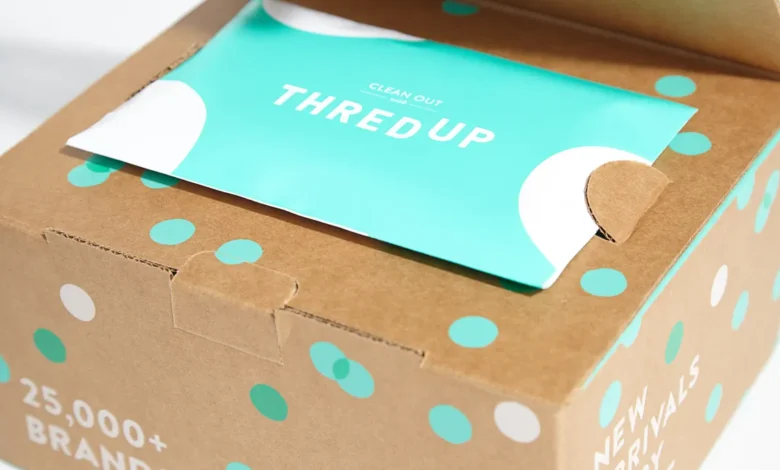
The fashion resale landscape is undergoing a period of intense volatility, and ThredUp, one of the sector’s most prominent players, is bracing for a difficult finish to the fiscal year. During a recent earnings call, CEO James Reinhart signaled a cautious outlook for the fourth quarter, citing a confluence of macroeconomic headwinds and a fiercely competitive market that is forcing the platform to reevaluate its strategic trajectory. As the company navigates this transition, the pressure to maintain market share against well-funded, aggressive rivals has placed its operational model under a microscope.
A Shifting Strategic Focus
The core of ThredUp’s current strategy involves a deliberate pivot away from price-sensitive, lower-lifetime-value (LTV) budget shoppers in favor of a more premium consumer base. According to Reinhart, the platform is successfully acquiring higher-end customers at unprecedented rates. This shift is intended to improve long-term profitability, yet it arrives at a time when the broader retail environment is characterized by heavy discounting and economic uncertainty.
The company’s decision to deprioritize its traditional budget-conscious demographic is a gamble. While premium shoppers may offer higher margins, they are also subject to different shopping behaviors that may not align with ThredUp’s traditional inventory or marketing approach. This transition period has coincided with what Reinhart described as "macro challenges" that continue to weigh on the purchasing power of the average consumer, making the holiday season—traditionally the weakest quarter for the platform—particularly precarious.
The Competitive Landscape and Peer-to-Peer Pressure
One of the most significant factors complicating ThredUp’s recovery is the rapid ascent of peer-to-peer (P2P) resale platforms. These competitors, which allow individuals to list and sell their own clothing directly to other consumers without the logistical overhead of a managed marketplace, have been spending vast sums on promotional activities. Reinhart described the level of promotional spending by these rivals as "frankly shocking," noting that these tactics have successfully eroded some of ThredUp’s buyer share.
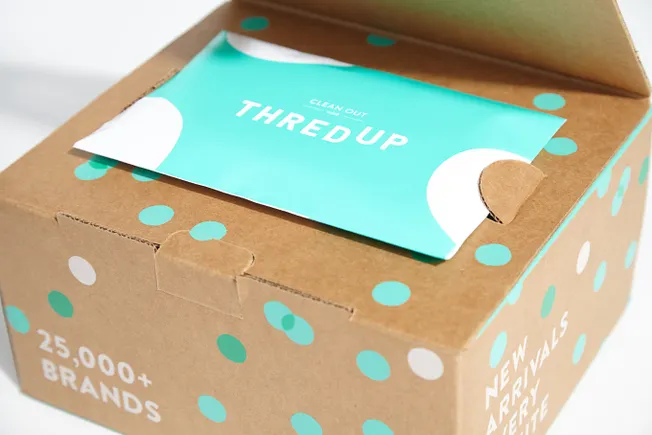
The rise of these platforms is not merely a transient trend; it represents a fundamental change in how consumers interact with secondhand goods. Unlike ThredUp, which manages the intake, cleaning, photography, and fulfillment of items—a model that is capital-intensive—P2P platforms like Depop (owned by eBay) benefit from lower operational costs and a more social, community-driven shopping experience. This creates a challenging environment for ThredUp, which must balance its high-touch, "clean out" service model with the need to remain price-competitive in a market where consumers are increasingly looking for the lowest possible price point.
Market Analysis: The View from Wall Street
Industry analysts have been quick to point out the fragility of the current situation. William Blair analysts, led by Dylan Carden, recently released a note expressing skepticism regarding the company’s underlying fundamentals. Carden highlighted the fact that while leadership has pointed toward selective successes, the company’s revenues are currently in decline with no clear sign of an imminent turnaround.
The analysts’ report underscores the difficulty of forecasting when competitive pressures might subside. The presence of deep-pocketed entities like eBay, which backs Depop, alongside other well-funded private competitors, creates a "David and Goliath" dynamic. ThredUp is effectively caught in a crossfire between retail giants pivoting to resale and lean, high-growth startups that are aggressively capturing the attention of Gen Z and Millennial demographics. The outlook for 2027 remains dour, as experts anticipate that the competitive landscape will likely remain saturated for the foreseeable future.
Leveraging Artificial Intelligence as a Differentiator
To combat these challenges, ThredUp is turning toward technology, specifically the integration of "agentic commerce" and AI-driven shopping experiences. Reinhart envisions a future where AI agents act as "first-class shoppers" on the platform, sifting through millions of unique, one-of-a-kind items far more efficiently than a human ever could.
This strategy relies on ThredUp’s primary competitive advantage: its managed supply chain. Because ThredUp physically processes its inventory, it possesses clean, structured data—measurements, material composition, and high-quality imagery—that is highly compatible with AI training models. This gives the company an edge over P2P marketplaces, where listing quality can be inconsistent and data is often unstructured. However, the costs associated with scaling this infrastructure are significant. In recent industry appearances, including at the RetailClub AI Festival, Reinhart acknowledged the high expenses involved in scaling AI capabilities, though he remains committed to the investment as a necessary cost of doing business in a modern retail environment.

Chronology of the Secondhand Resale Surge
The current state of the market is the culmination of nearly a decade of rapid expansion in the circular economy.
- 2015-2019: The "Gold Rush" phase, where major resale platforms secured massive venture capital funding, betting on the shift away from fast fashion.
- 2020-2021: The pandemic-era boom, as supply chain disruptions and home confinement led to a surge in interest for online shopping and sustainable fashion alternatives.
- 2022: Initial signs of market saturation as too many platforms began competing for the same consumer pool.
- 2023-2024: The "Shakeout" phase. Companies began focusing on profitability over growth, leading to layoffs, higher fees for sellers, and the introduction of "premium" tiers to increase average order values.
- Q4 2024 (Current): A period of consolidation and caution, characterized by intense promotional activity from competitors and a focus on long-term sustainability rather than immediate top-line growth.
Broader Implications for the Retail Industry
The struggles of a major player like ThredUp reflect a broader trend in the retail industry: the transition from "growth at all costs" to "profitable scale." For years, the promise of the circular economy was enough to secure funding and market enthusiasm. Today, that narrative is being tested by the realities of logistics, customer acquisition costs, and the fickle nature of fashion retail.
The reliance on "tariff refunds" and aggressive holiday promotions mentioned by Reinhart suggests that the entire retail sector is feeling the pinch of inflation and economic stagnation. If even established, venture-backed resale platforms are forced to worry about the fourth quarter, it serves as a bellwether for the retail sector at large. Consumers are becoming increasingly discerning, seeking value in every transaction, which puts immense pressure on companies that rely on discretionary spending.
Conclusion: The Long-Term View
Despite the immediate concerns regarding the holiday quarter, management at ThredUp maintains a long-term, optimistic outlook. Reinhart points out that interest in secondhand goods is at an all-time high, with more capital being deployed into the sector this year than at any other point in history. The company argues that while others are "paying for" this growth through heavy promotional spending, ThredUp is building the infrastructure necessary to dominate the market once the current, overheated competitive environment eventually cools.
Whether this long-term strategy will be enough to appease investors and stabilize revenue remains to be seen. The company is currently in a defensive position, forced to protect its margins while simultaneously investing in the technology that it hopes will define the next iteration of online shopping. For ThredUp, the holiday season will be a critical test of whether its premium pivot and technological investments can successfully insulate it from the broader market volatility. As the industry moves into 2025, the ability to balance operational efficiency with consumer demand will be the deciding factor for who survives in the crowded, high-stakes world of fashion resale.
Related posts: